
Strategy & Leadership

Creative & Build

All services, one team

Not sure which service fits the problem?

Three questions. You'll know which service fits.

Take the diagnostic

Industries we serve

Featured industry case

+340% qualified leads.

Industrial equipment, twelve months. The strategy, the work, the math.

Read the case study

Identity · Service 07 of 09

Brand that holds up next to a $400K piece of equipment.

Positioning, naming, logo, visual systems for products too complex for a one-line tagline. The brand work that makes your buyer's research feel like a category they want to be in — not a category they have to settle for.
44.0582° N · 121.3153° WBend, Oregon Since 2006
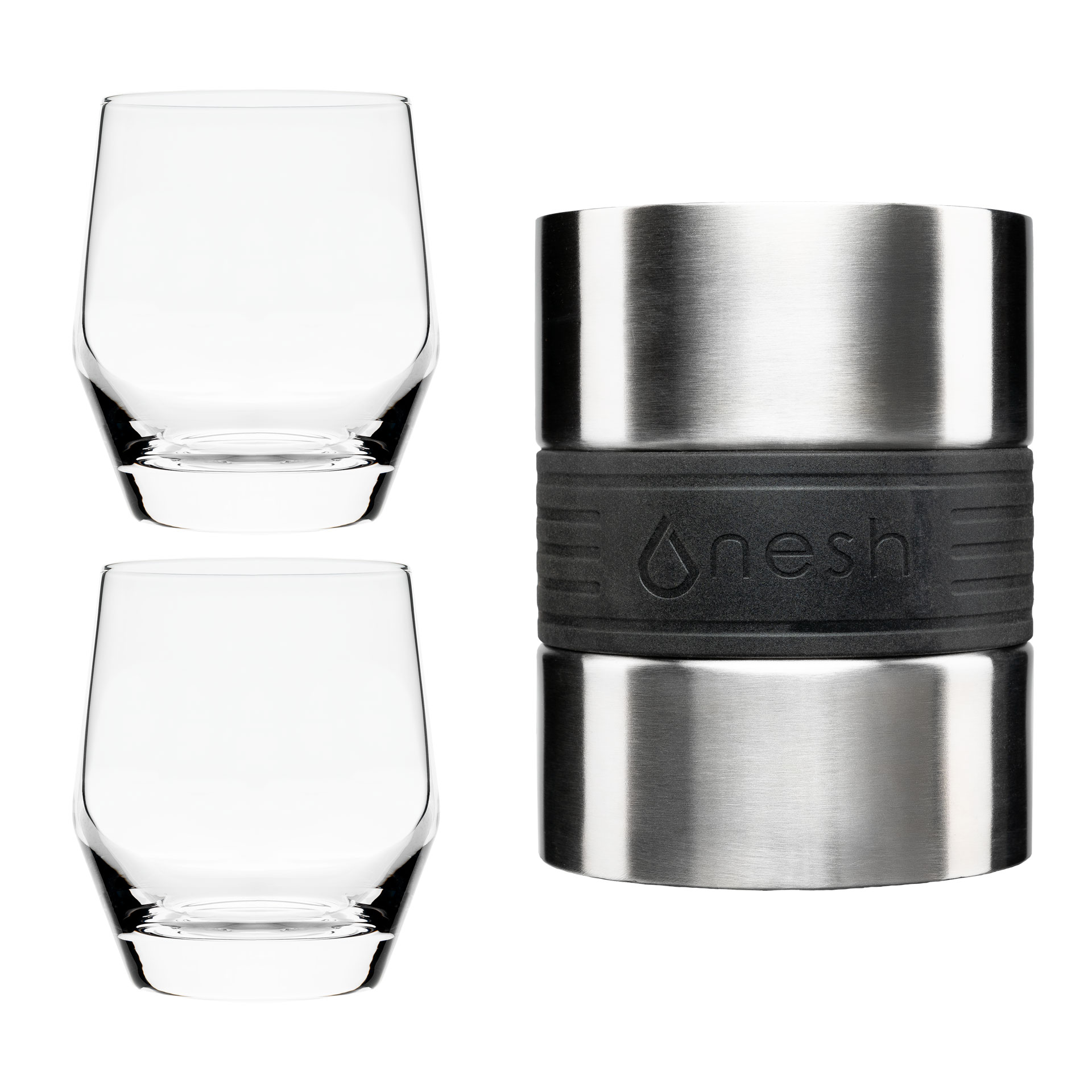
Nesh whiskey chiller and tumbler set — premium product photography hero shot.
Consumer engineered product · drinkware system · Wild Pixel brand and product

What we hear, going in

Your product is engineered. Your brand should be too.

Two complaints we hear from manufacturing leadership, almost weekly:

“Our brand looks like everyone else's. Sales says we don't stand out at trade shows.” What we hear from marketing directors, most weeks
“We're launching a new product line. The current brand can't carry it.” What we hear from manufacturing CEOs, most weeks

Most manufacturer brand work was done a decade ago by an in-house designer who's long gone, by a generalist agency that didn't understand the product, or never seriously at all. The result: a brand that looks fine in the trade-show booth and nowhere else. When the product itself is engineered with precision and shipped to the spec, the brand around it should be too — otherwise it tells buyers something about the product you don't want them to assume.

How we run it

Position around what you make — not what you sell.

Three structural moves on most brand engagements.

Positioning that names a real category.

Conversation with leadership and sales: what category does the buyer actually shop you in? Where do you genuinely win? What's the real differentiator the spec sheet doesn't capture? That conversation is the positioning brief.

Visual system that holds across the surface area.

Logo, type, color, photography direction, illustration style, brand voice. Built so it works on the website, on the trade-show booth, on the spec sheet, on the dealer training portal, on the operator's manual. One system, many surfaces.

Brand voice that holds across the funnel.

Positioning statement, tone-of-voice rules, vocabulary do's-and-don'ts. The voice your ad copy, your email subject lines, your dealer comms, and your customer support all share. Consistency at the voice layer matters more than at the visual layer.

Documented standards your team can defend.

Brand guidelines that don't go in a drawer. Logo files, type files, color tokens, voice rules, photography direction, application examples. Built so the next agency, the next designer, the next intern can hold the line.

What you get

What you get.

01

Positioning + brand strategy

Positioning brief, target audience, competitive frame, message hierarchy, brand voice rules. The strategic work that comes before any visual.

02

Logo + visual identity

Wordmark, mark, logo system, color, type, photography direction. Built around real product and real surfaces — not concepts.

03

Brand guidelines + system documentation

Comprehensive brand book + lightweight quick-reference guide. Logo files in every format you'll ever need. Tokens for digital teams.

04

Application design

Site templates, sales deck templates, social templates, trade-show booth direction, sales-sheet templates. The applications that prove the system.

05

Naming when the product needs it

Product naming, product line naming, sub-brand structure. We've named CNC plasma table model lines, technical product variants, and DTC consumer brands.

06

Brand voice + copy guidelines

Tone-of-voice rules, vocabulary preferences, banned phrases, voice-of-customer reference. The writing rules that hold across the funnel.

A real story · A consumer-engineered drinkware product

Brand built from scratch. Kickstarter exit.

A consumer-engineered drinkware product launched into a saturated commodity market — bar accessories — with a category-new physical product (a whiskey-chilling tumbler that doesn't dilute) and zero brand equity. We built the brand from positioning through packaging.

Result: clean brand identity, product photography that read as premium not novelty, packaging that elevated the product to gift-purchase tier, and a Kickstarter that funded with months to spare.

See more case workView all →

0 → 1

Brand built from scratch
Positioning through packaging

Kickstarter

Funded ahead of timeline
Premium product positioning

Saturated

Commodity category entered
Differentiation through brand

FAQ · Consulting questions

What people ask before the first call.

If yours isn't here, the form is honest territory.

Talk to us about brandGet in touch →
How is fractional CMO different from regular consulting?

Consulting is bounded by deliverable — we audit, we recommend, we hand it back. Fractional CMO is bounded by relationship — we own the plan, we sit in your leadership rhythm, we're accountable for the math compounding over quarters. Most of our consulting engagements end up looking like fractional CMO inside ninety days.

How many days a month?

Two days a month for lighter engagements (board reporting, quarterly planning, strategic check-ins). Four days a month for active engagements (strategy + vendor management + audit cycles). We size to the work, not the other way around.

Do you replace our in-house marketing person?

Almost never. We complement them. They run execution, we own strategy. They report to leadership, we coach them through it. The best engagements have a strong in-house operator running the day-to-day with us as the strategic spine they build against.

Will you also run our channels?

If the consulting work surfaces a channel that needs to move and we're the right team to move it, yes — the engagement expands to include execution. About two-thirds of our consulting engagements grow this way over twelve to eighteen months. The other third stay consulting-only because their existing teams are capable; we just give them better strategy to run.

What does "senior" actually mean?

Twenty-plus years of marketing practice, multiple engagements at scale, deep product literacy in industrial / technical / engineered categories. The person on your call has run paid accounts, written copy, sat on dealer-training calls, and presented to a board. Not a generalist account manager. Not a junior strategist with a senior title.

When should we NOT hire a fractional CMO?

If you need execution help more than strategy help, hire a doer first. If you need a single tactical fix (a new website, a campaign, a brand refresh), engage that as a project. Fractional CMO is the right answer when the strategic spine is the gap — and when you're committed to growing something with a senior partner over multiple quarters.

Start a conversation · 1-business-day reply

Is your brand carrying the product?

Twenty minutes. No deck. No discovery script. Tell us about the product, the category, and where the brand is letting you down — we'll tell you whether a refresh, a rebrand, or just a tighter system is the right call.

20+ years Senior on every account 1-day reply

Tell us what you're working on. We'll be back inside one business day.

Read by a senior strategist. We don't share your info or add you to any list.